

Fill up the form to continue.

BMI Percentile Calculator

Child Percentile Calculator (Ages 2-19)

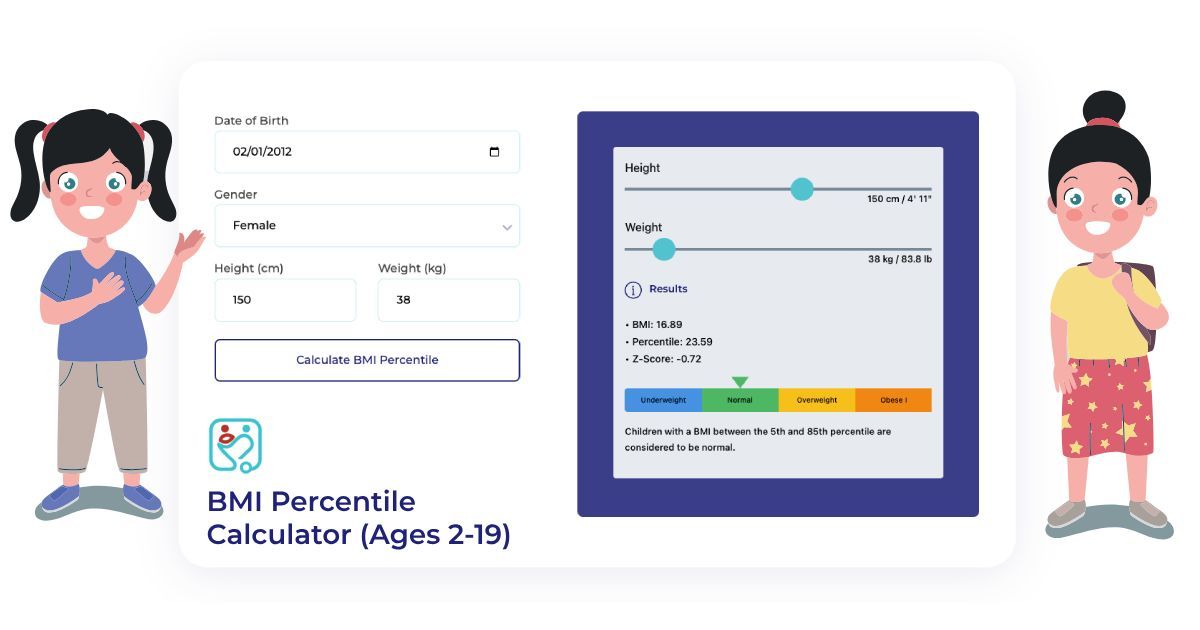
This tool is often used by pediatric specialists to categorize for children and teenagers growth from 2 through 19 years old. BMI Percentile Calculator from CDC Growth Charts shows how their weight and height compares to that of other children and teenagers of the same age and sex.

BMI Percentile Results

  • BMI Percentile Result < 5th percentile: your child may be underweight
  • BMI Percentile Result between** 5th - 84th percentile**: your child's weight is considered healthy
  • BMI Percentile Result between 85th - 94th percentile: our child may be overweight
  • BMI Percentile Result > 95% percentile: your child may be obese

Why Use a Child Percentile Calculator (Ages 2-19)?

  • Percentiles are the most commonly used clinical indicator to assess the size and growth patterns of individual children in the United States. Percentiles rank the position of an individual by indicating what percent of the reference population the individual would equal or exceed. For example, on the weight-for-age growth charts, a 5-year-old girl whose weight is at the 25th percentile, weighs the same or more than 25 percent of the reference population of 5-year-old girls, and weighs less than 75 percent of the 5-year-old girls in the reference population.
  • Early identification of potential issues by tracking your child's BMI percentile over time, you can identify potential issues like underweight, overweight, or obesity early on. Check BMI annually, or more often if recommended by the child’s healthcare provider. Tracking growth patterns over time can help you make sure your child is achieving or maintaining a healthy weight.

Promote Healthy Habits: Tips for Underweight and Overweight Children

  • Underweight Child: focus on nutrient-dense foods (whole grains, lean proteins, healthy fats, dairy products, fruits and vegetables) to ensure children receive adequate calories and essential nutrients. Moreover, regular physical activity can stimulate appetite and promote overall health. Engaging in enjoyable activities like sports, dancing, or simply playing outdoors can encourage a healthy lifestyle.
  • Overweight Child: obesity in children are significant health concerns that can lead to various chronic diseases, including type 2 diabetes, heart disease, and certain types of cancer. Consulting a pediatrician is the first step. A healthcare professional can assess the child's weight, provide personalized advice, and monitor their progress. Encouraging healthy habits, such as regular exercise at least 60 minutes a day and eating nutritious foods (fruits, vegetables, whole grains, lean proteins) can help children develop lifelong healthy behaviors. Portion control is essential to avoid overeating and limit the intake of unhealthy foods. Reducing the consumption of sugary drinks, processed foods, and fast food is vital.