Cholesterol Test Results
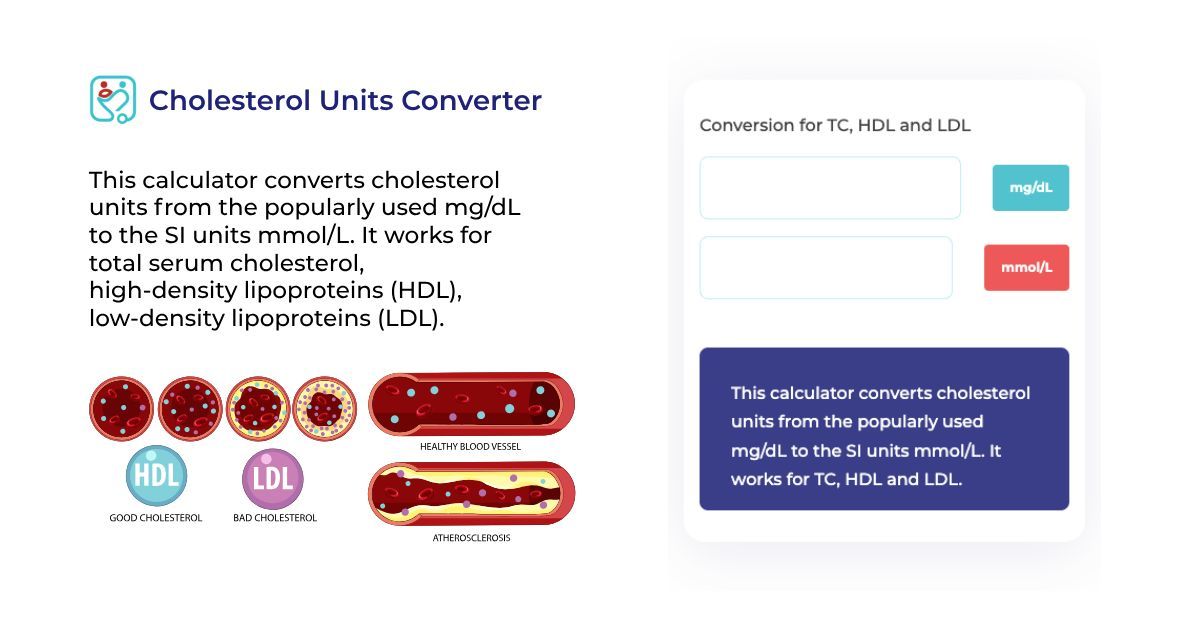
Proteins carry cholesterol through your blood. This combination of protein and cholesterol is called lipoprotein. There are two different types of lipoprotein:
- HDL (high density lipoprotein) takes cholesterol from cells to your liver, which breaks it down as a waste product so your body can get rid of it. Doctors often call HDL the “good” cholesterol, high levels of HDL mean you have less risk of heart disease. But too high HDL cholesterol levels don't protect you any more, they might be harmful.
- LDL (low density lipoprotein) brings cholesterol to your cells so they can use it. When you have too much cholesterol, it builds up in your cells and can lead to disease. High levels of LDL (the “bad” cholesterol) mean you have excess cholesterol in your body.
- When these numbers are off and total cholesterol gets too high, your chances of health problems go up.
Unhealthy cholesterol level is silent, you could have too many lipids in your blood and not know it for many years. Your doctor uses a simple blood test as the only way to find out. For healthy cholesterol levels, your test result should be:
- HDL: more than 50 mg/dL
- LDL: 70 - 130 mg/dL
- Total cholesterol: less than 200 mg/dL
Triglyceride Test Results
Triglycerides are a type of fat, called lipids, that circulate in your blood. They are the most common type of fat in your body. Triglycerides come from excess calories that your body doesn't need right away. Unused calories are stored as triglycerides in fat cells. When your body needs energy, it releases triglycerides. Some triglycerides are important for good health. However, high levels of triglycerides in your blood can increase your risk of heart disease and stroke.
Triglycerides are different from cholesterol. Cholesterol is a waxy, fat-like substance found in all the cells of the body. High triglycerides are a type of lipid disorder, along with other lipid disorders like high cholesterol or low HDL cholesterol, and are part of metabolic syndrome.
Triglyceride levels usually fall into the following categories:
- Normal: below 150 mg/dL (1.69 mmol/L) for adults; lower than 90 mg/dL (1.01 mmol/L) for children and teens (ages 10-19)
- Borderline high: 150-199 mg/dL (1.69 - 1.91 mmol/L)
- High: 200 - 499 mg/dL (1.91 - 5.63 mmol/L)
- Very high: above 500mg/dL ( > 5.63 mmol/L)