Recommended Blood Sugar or Glucose Levels From World Health Organization (WHO)
The World Health Organization (WHO) has established guidelines for optimal blood sugar or glucose levels to promote overall health and reduce the risk of diabetes and its complications.
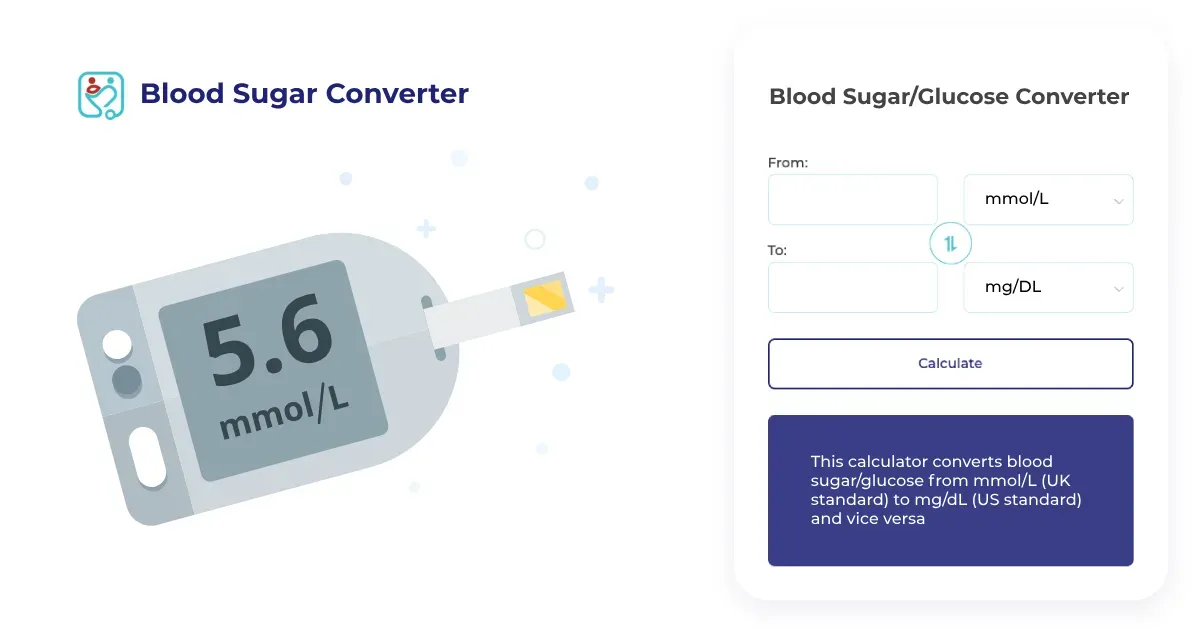
Fasting Blood Sugar Test: a healthcare provider will prick your finger or use a needle to draw blood from a vein in your arm. Don’t eat or drink anything (except water) for 8 to 12 hours before the test. It's used to diagnose prediabetes and diabetes. The following ranges are used to diagnose prediabetes and diabetes:
- Low (less than 70 mg/dL or 3.9 mmol/L): you will experience dizziness, sweating, palpitations, blurred vision and other symptoms that have to be monitored.
- Normal (between 70-100 mg/dL or 3.9-5.6 mmol/L): normal fasting blood glucose concentration indicates you're at healthy blood sugar control.
- Prediabetes (between 100-125 mg/dL or 5.6-7.0 mmol/L): impaired fasting glucose concentration indicates you're at increased risk of developing diabetes.
- Diabetes (higher than 126 mg/dL or 7.0 mmol/L on two separate tests): you have diabetes.
Source: Mean fasting blood glucose
Recommended Blood Sugar or Glucose Levels From U.S. Centers for Disease Control and Prevention (CDC)
Use a blood sugar meter (also called a glucometer) or a continuous glucose monitor (CGM) to check your blood sugar. A blood sugar meter (glucometer) measures the amount of sugar in a small sample of blood, usually from your fingertip. A continuous glucose monitor (CGM) uses a sensor inserted under the skin to measure your blood sugar every few minutes. If you use a continuous glucose monitor (CGM), you'll still need to test daily with a blood sugar meter (glucometer). This will help make sure your CGM readings are accurate.
Random Blood Sugar Test: this test measures your blood sugar level at any point in time. The normal blood sugar result should be:
- Before a meal: 80 to 130 mg/dL.
- Two hours after the start of a meal: less than 180 mg/dL.
Source: Manage Blood Sugar
The Power of Exercise in Managing Prediabetes
Regular physical activity is a cornerstone of maintaining healthy blood glucose levels. When you exercise, your muscles use glucose for energy, helping to lower blood sugar levels. This can significantly reduce your risk of developing diabetes.
- Aerobic Exercises: such as brisk walking, jogging, swimming, cycling, and dancing, elevate your heart rate and breathing, demanding your body to use oxygen for energy production. These activities enhance cardiovascular health, boost stamina, burn calories, and aid in regulating blood sugar levels. Aim for at least 150 minutes of moderate-intensity aerobic exercise weekly, distributed across most days.
- Building Muscle Mass: is a powerful tool in managing prediabetes. It involves progressively overloading your muscles, forcing them to adapt and grow stronger, enhancing insulin sensitivity, and leading to better blood sugar control. Incorporate activities like weightlifting, resistance band exercises, or bodyweight workouts like push-ups and squats into your routine. Aim for at least two strength-training sessions per week, targeting all major muscle groups.
- Listen to Your Body, Consult With Your Doctor: if you have any underlying health conditions, you should get consultation with your healthcare provider before starting any new exercise program and pay attention to your body's signals to take rest when needed.